

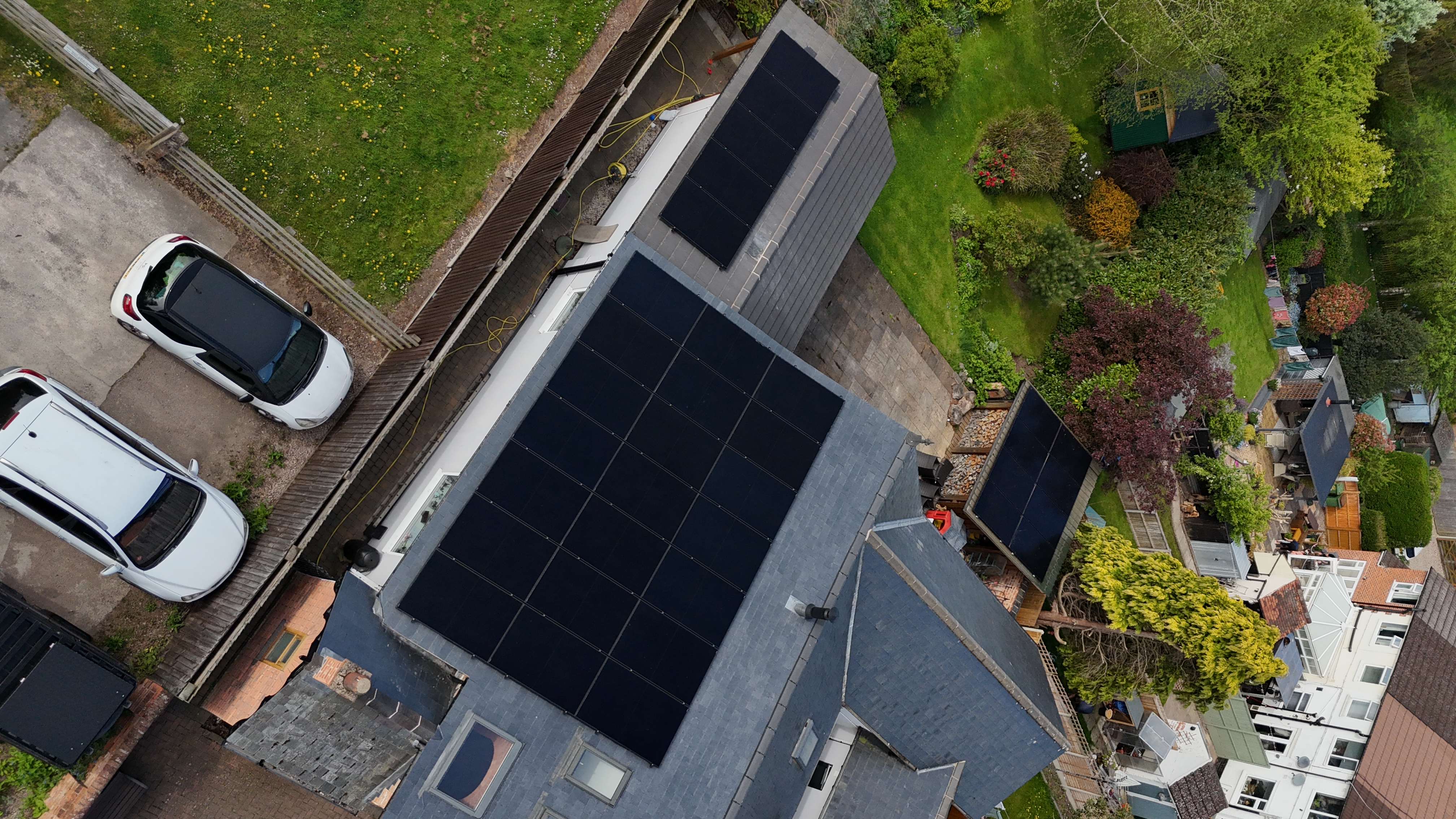
Oxford has one of the highest densities of conservation areas in England. Approximately 30% of the city falls within a designated conservation area, including virtually the entire historic university quarter, central North Oxford, most of Jericho, and significant parts of East Oxford and Headington. This creates a legitimate question for many Oxford homeowners: can I install solar panels on my property? The short answer, for most non-listed properties, is yes — and we'll explain exactly why.
Conservation Areas vs Listed Buildings: The Critical Distinction
The most important thing to understand is that conservation area status and listed building status are entirely different things with different rules.
Listed buildings (any Grade I or Grade II* building) require Listed Building Consent for solar panel installation. This is a separate application to a standard planning permission and requires demonstrating that the installation doesn't harm the character or significance of the listed structure. Solar panels on Grade I or Grade II* buildings are possible but require specialist knowledge of the consent process.
Non-listed buildings within conservation areas can almost always be installed with solar panels under Permitted Development Rights, provided the panels meet specific criteria — primarily that they are not visible from a public road or space. For the majority of Oxford terraces, semis, and detached homes, the rear roof slope is not visible from the street, which means installation proceeds as permitted development without any planning application.
Oxford's Conservation Areas: Which Affect Solar?
Oxford has multiple designated conservation areas. The key ones affecting residential solar are:
- Oxford University Area Conservation Area: Covers the historic university buildings and immediate surroundings. Most buildings in this zone are listed. However, many residential properties on the edges of this area are non-listed and can have rear solar installations under permitted development.
- North Oxford Victorian Suburb Conservation Area (OX2): Covers the large Victorian and Edwardian villas of Norham Gardens, Park Town, and Bardwell Road. Most of these substantial properties are non-listed. Their rear roof slopes face south and are not visible from public roads — solar installation typically proceeds as permitted development. 5–6kW systems are common here due to the large roof areas.
- Jericho Conservation Area (OX2): Victorian terraced streets. Rear south-facing slopes on most properties not visible from public roads. 2–4kW systems are most common given roof area constraints on terraces.
- St Clements and East Oxford Conservation Areas (OX4): Victorian terraces in Cowley Road, Iffley Road, and surrounding streets. Same rules apply — rear slopes typically installable as permitted development.
- Headington Conservation Areas (OX3): Several smaller conservation areas covering the historic parts of Old Headington village. Newer Headington residential areas are outside conservation areas entirely.
Permitted Development Rules for Oxford Conservation Areas
Under current Permitted Development regulations (Class G of Schedule 2), solar panels on domestic properties within conservation areas are permitted development if:
- The panels are not installed on a wall or roof slope forming the principal elevation of the dwelling (i.e., not the front-facing roof)
- The panels are not installed on a wall or roof slope fronting a highway or visible from a public road or space
- The installation does not protrude more than 200mm above the roof plane
- The installation does not exceed the height of the ridge
In practice, for the vast majority of Oxford's Victorian and Edwardian terrace and semi-detached stock, the rear south-facing roof slope is not visible from any public highway. This means most Oxford conservation area properties can have solar panels installed without any planning application.
Flat Roof Installations
Some Oxford city centre and inner suburb properties have flat roofs or mixed pitched/flat configurations. Flat roof installations use low-profile ballast mounting systems and are typically not visible from street level. These are generally also permitted development within conservation areas, but Energy Concerns carries out a visibility assessment at the survey stage to confirm.
In-Roof Solar: The Conservation-Sensitive Option
For properties where a standard on-roof installation might raise planning concerns, or for homeowners who prefer the aesthetics, in-roof solar systems (where the panels sit flush with the roof plane, replacing tiles rather than sitting above them) offer a less visually intrusive alternative. In-roof systems like the Sunroof IQ are less common than on-roof but can be appropriate for conservation properties where appearance is a primary concern. They typically cost 15–25% more than standard on-roof installations.
The Planning Application Process for Oxford
If your property requires a planning application (e.g., it's listed, or the installation would be visible from a public road), the process typically takes 8–10 weeks. Oxford City Council's planning department is experienced with solar applications and generally supportive of installations that meet heritage criteria. Energy Concerns can provide a full heritage design statement and manage the application process on your behalf.
Our recommendation: book a free survey first. We assess your specific property, determine whether permitted development applies, and advise on the appropriate route before any application is needed. In the majority of Oxford cases, no planning application is required.
Oxford's Financial Case for Solar
At £490,000 average house price and 1,480 sunshine hours annually, Oxford has one of the strongest solar investment cases in the UK. A 4kW system saving £1,000 per year pays back in under 8 years and adds an estimated £15,000–£20,000 to a typical Oxford property's value (3–4% uplift on a £490k home). Conservation area constraints do not materially affect payback — the financial case is unchanged whether the system is permitted development or requires a planning application.
Get a free Oxford solar survey — Energy Concerns will assess your specific property, advise on conservation area rules, and provide a fixed-price quote. We cover all OX postcodes.
Free, no obligation
Get a Quote for Oxford
Energy Concerns is MCS certified, RECC registered, and 5-star rated. We cover all of the East Midlands and Warwickshire — book a free survey and we'll give you honest, personalised advice.
.jpg)